Uinta Basin Mineral Rights
Duchesne and Uintah county minerals sit inside one of the more unusual crude markets in the Lower 48, and that uniqueness cuts both ways on value.
The Uinta Basin is not a typical Rockies oil play, and any conversation about what a mineral interest there is worth has to start with that difference. The Green River formation crude produced around Altamont-Bluebell and Monument Butte is waxy: it gels at room temperature and has historically needed heated pipelines, insulated rail cars, or blending to move to refineries, most of which sit north over Indian Canyon or Soldier Summit toward the Salt Lake City market. That logistics reality has always shown up as a price differential against benchmark crude, and it is one of the first things we look at when we're pricing a Duchesne or Uintah county interest for a family that's weighing a sale.
The other defining feature of the basin is the checkerboard. Because of how the Uinta Reservation and adjoining public land were surveyed and later opened, mineral ownership in this basin alternates in ways that are unusual even by Rockies standards: a section held by the State of Utah through SITLA, a neighboring section in Ute Indian Tribe trust status, another under BLM federal minerals, and private fee minerals mixed through all of it. We treat that pattern as a fact of the basin, not a complication to be talked around, because it directly affects who your operator answers to, how a spacing unit gets pooled, and how quickly a division order clears title.
Where the activity actually sits
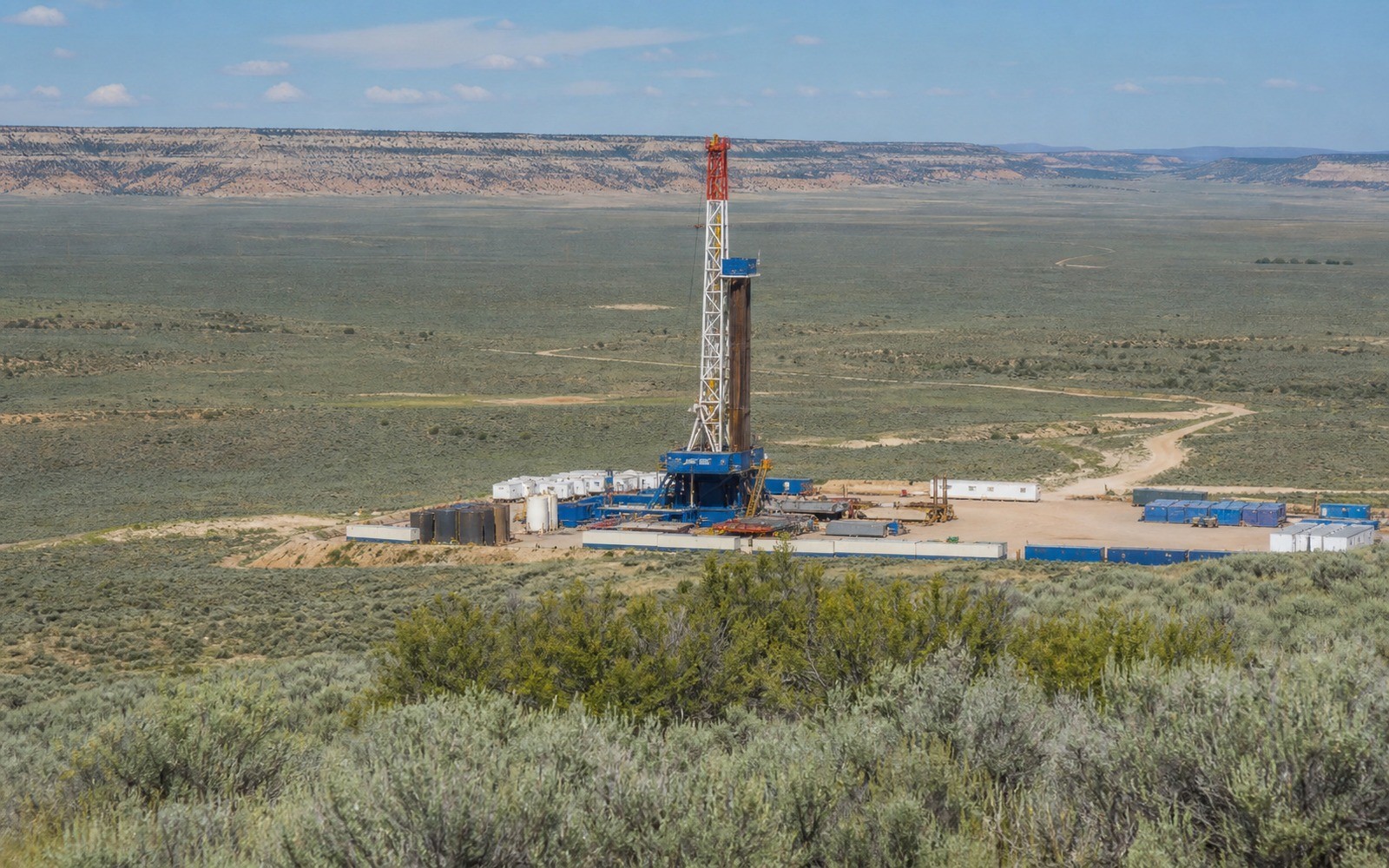
Historically, the productive core of the basin runs through the Altamont-Bluebell field near the town of Altamont and the deeper Monument Butte / Greater Monument Butte complex south toward Myton and Roosevelt. Operators active in the basin over the past decade have included Ovintiv (through legacy Newfield Exploration acreage), Crescent Point Energy and its successor Verdun Oil, Berry Petroleum, and more recently XCL Resources and Wapiti Energy consolidating positions in the Monument Butte area. That consolidation matters for a mineral owner: when a handful of larger, better-capitalized operators absorb legacy positions, permitting and drilling tend to become more predictable, which is one of the inputs that shapes how an interest gets priced.
Position within the field matters as much as which field. Interests inside the core fairway of Altamont-Bluebell or Monument Butte, where multiple stacked Green River benches have already been developed, carry a different risk profile than flank acreage on the edges of the play where wells are thinner and less consistent. If you're not sure which side of that line your interest falls on, that's typically the first thing worth establishing before you weigh a sale against holding.
SITLA, tribal trust minerals, and why jurisdiction changes the analysis
A meaningful share of Uinta Basin mineral ownership runs through the Utah School and Institutional Trust Lands Administration. SITLA sections were granted to Utah at statehood to generate revenue for public schools, and SITLA manages its own leasing program separate from private fee minerals, often with different royalty rates and different notice requirements. If your family's interest is fee minerals adjacent to or checkerboarded with SITLA sections, that neighboring state ownership can affect unit configuration and how quickly an operator can assemble a workable spacing unit.
Minerals held in trust for the Ute Indian Tribe or individual tribal allottees follow a still different track, administered through the Bureau of Indian Affairs, and those parcels do not transact the way fee minerals do. We're careful in conversations with Duchesne and Uintah county families to separate what's actually severed, privately held fee mineral estate — which is what we buy — from land that only looks similar on a plat map but sits under an entirely different ownership and leasing structure.
What waxy crude means for the numbers
Because Uinta Basin crude has historically required special handling to reach market, buyers who are pricing an interest here look past the simple wellhead price and toward the netback after gathering, heating, and transport costs, as well as toward how each operator has structured its takeaway arrangements. Rail-loading capacity out of the basin and pipeline connectivity improvements have shifted that netback meaningfully over different periods, so recent royalty statements matter more here than a rule of thumb pulled from a different Rockies basin.
We'd rather build a Uinta Basin offer off your actual trailing royalty history, current activity on your specific section or unit, and the operator's recent permitting pattern than off a generic per-acre figure, because the waxy-crude differential and the checkerboard ownership pattern both move that number more than they would elsewhere. If liquidity, diversification, or simplifying an estate is the goal, we can walk through what a sale would look like against continuing to hold and collect statements as-is.
Resolve the Record Question Before the Offer Is Compared
Why does Uinta Basin crude sell for less than other Rockies oil?
Green River formation crude in this basin is paraffinic, or waxy, meaning it solidifies at normal ambient temperatures and has traditionally required heated pipeline segments, insulated rail cars, or blending with lighter crude to move efficiently to market. That added handling cost has historically shown up as a price differential against benchmark crude, and it factors into how royalty income and a mineral interest's value are calculated.
Your section is SITLA land next to your private minerals. Does that affect you?
It can. SITLA manages its own leasing separately from fee mineral owners, and checkerboarded SITLA sections influence how an operator assembles a spacing or drilling unit around your acreage. It's worth confirming exactly which sections are SITLA, which are BLM, and which are private fee minerals before assuming your interest behaves like a neighbor's.
Is your interest inside the Ute Indian Tribe trust?
Tribal trust and allotted minerals are administered through the Bureau of Indian Affairs and are not the same as privately held fee mineral estate, even when they sit in the same section or township. If there's any ambiguity, the county recorder's chain of title and your division order paperwork are the places to confirm status before assuming it's a fee interest that could be sold.
Are Monument Butte and Altamont-Bluebell still being drilled?
Activity has ebbed and flowed with commodity prices and operator consolidation, and it varies by section. Recent operators including XCL Resources, Wapiti Energy, and Verdun Oil have continued permitting in parts of the field. We look at current permit activity on your specific unit rather than basin-wide headlines when we're forming an offer.
How do you value a Duchesne or Uintah county interest?
We start with your recent royalty statements, the operator's permitting pattern on your unit, and where your acreage sits relative to the core of Altamont-Bluebell or Monument Butte versus the flank. Given the waxy-crude differential and checkerboard ownership here, a generic per-acre number tends to miss the mark, so we'd rather work from your actual documentation.
Carry the Same Tract Into the Next Review
How to Sell Mineral Rights
A patient, portfolio-minded walkthrough of selling Utah mineral rights: valuing the interest, vetting a buyer, and closing without surprises.
What Are Mineral Rights Worth?
What actually drives Utah mineral rights value — production, decline, play position, and SITLA or split-estate boundary factors — explained plainly.
Reading Your Royalty Statements
A plain-language walkthrough of the Utah royalty statement: deductions, price codes, decline curves, and what to flag before you decide whether to hold or sell.