Mineral Interest Types
A mineral interest, a royalty, an override and a working interest carry different rights, burdens and paperwork. Identify the estate before any number is compared.
Mineral Rights
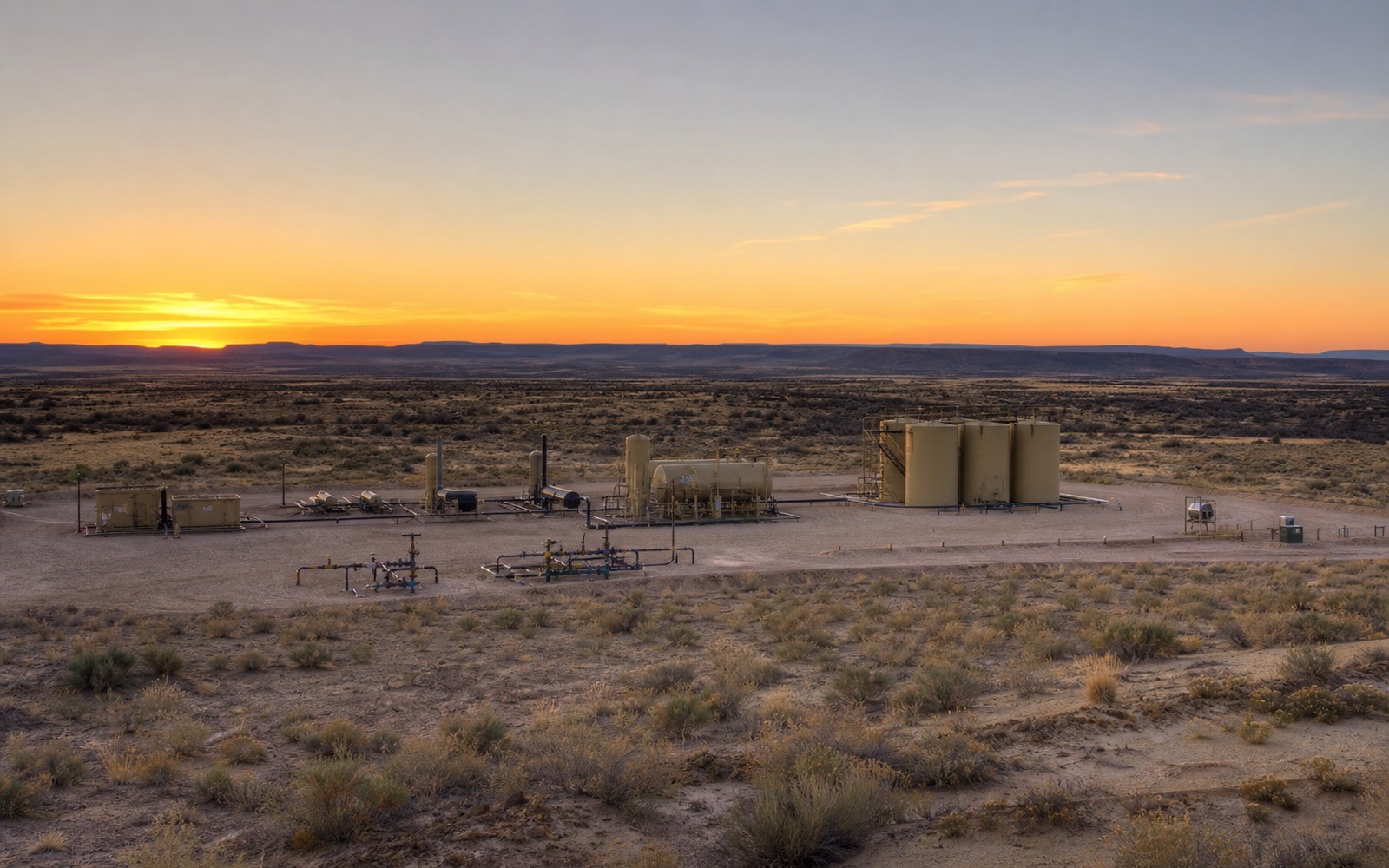
Mineral rights are the ownership stake in oil, gas, and other resources beneath the surface. Here's what that bundle of rights includes for Utah owners.

Royalty Interests
A royalty interest pays a share of production tied to your mineral ownership, without drilling costs. Here's how Utah royalty interests work and what drives value.
Non-Participating Royalty (NPRI)
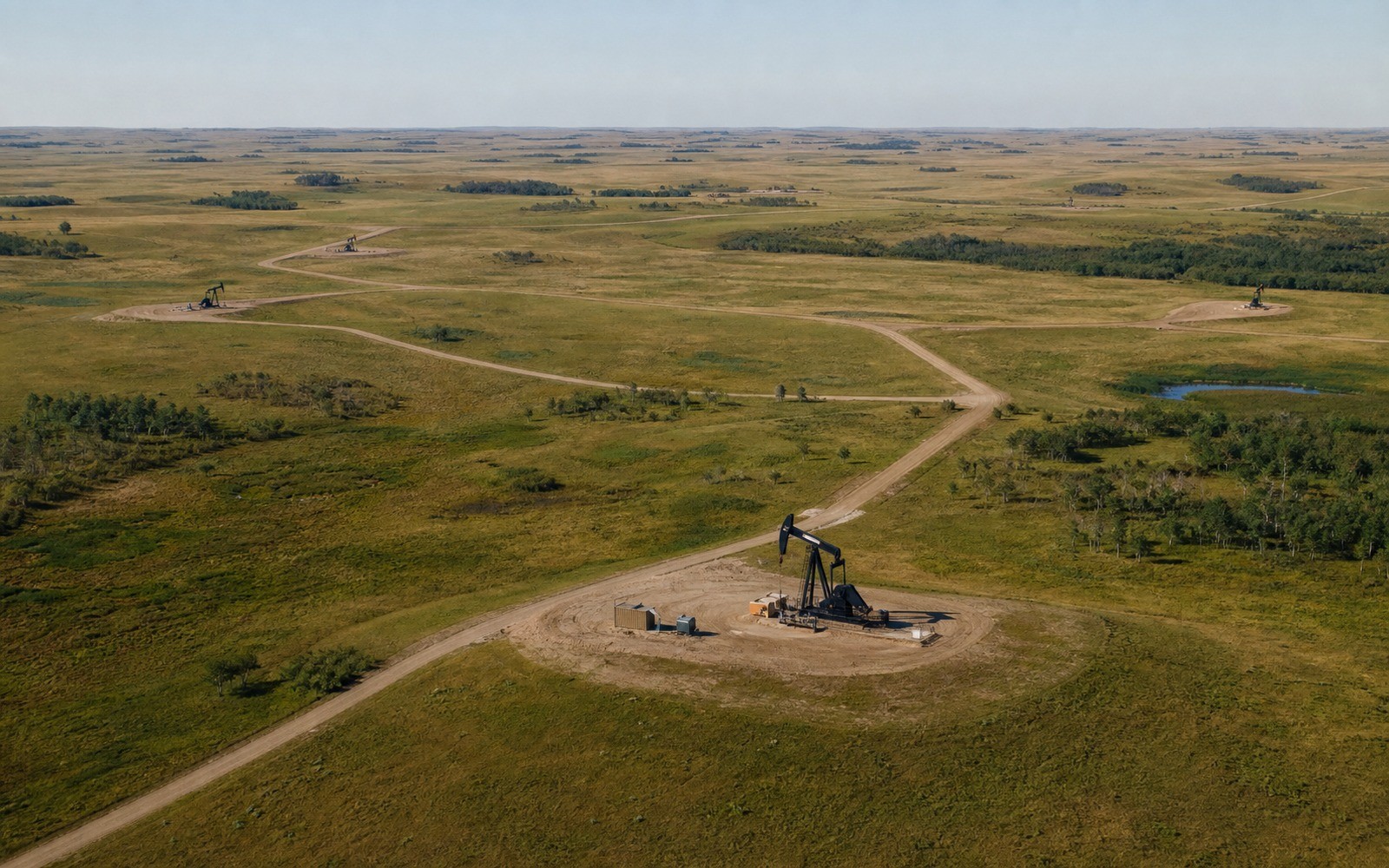
An NPRI pays a share of production but carries no leasing authority. Here's how non-participating royalty interests work for Utah owners and what they're worth.

Surface vs. Mineral Estate
In Utah, the surface and minerals beneath it can be owned by different people entirely. Here's how split estates work and what it means for a mineral owner.
Overriding Royalty Interests (ORRI)
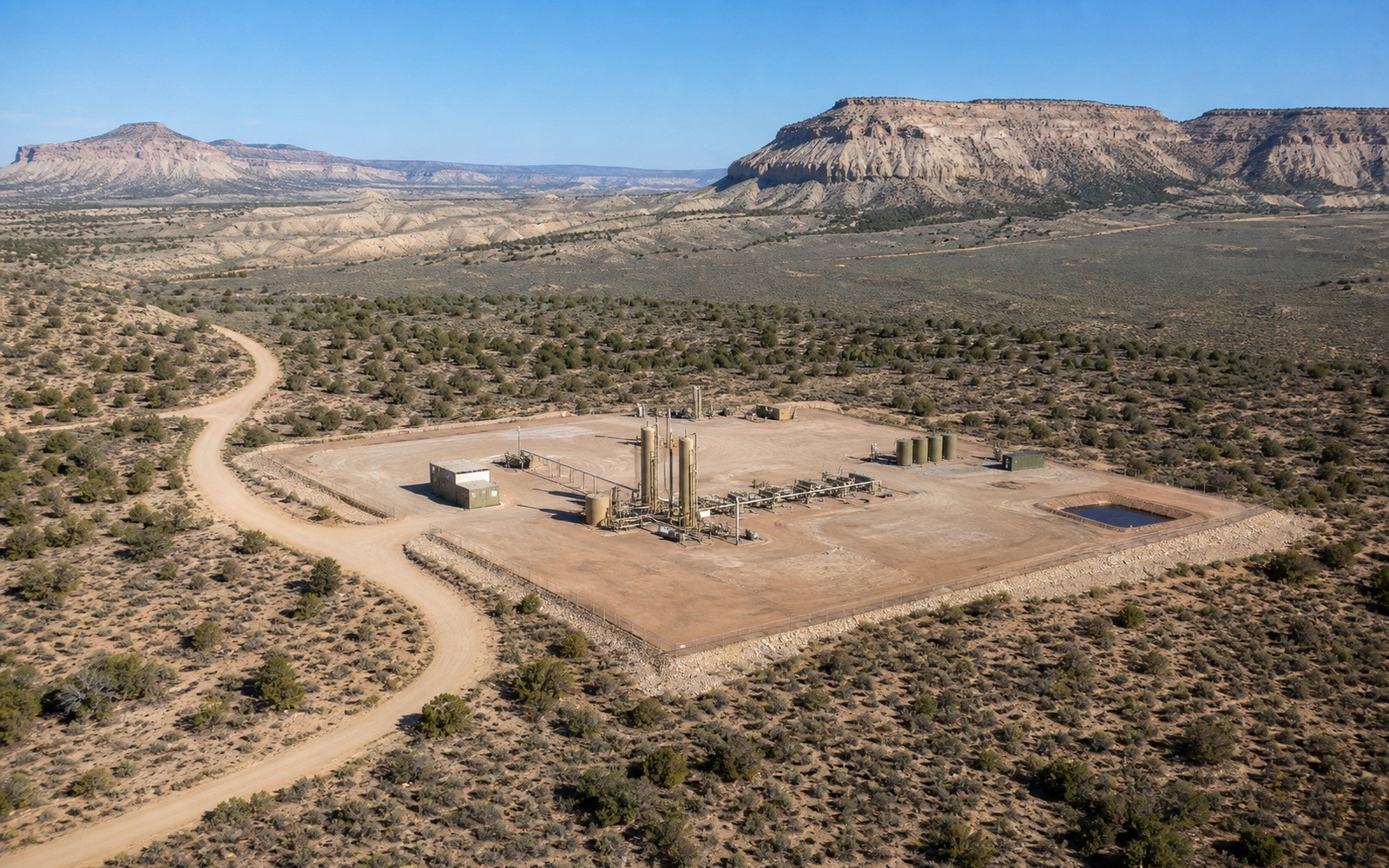
An overriding royalty interest is carved from a lease, not the mineral estate, and expires when that lease ends. Here's how ORRIs work and what they're worth.

Working Interests
A working interest carries drilling and operating costs alongside royalty upside. Here's how Utah working interests differ from royalty ownership, and what to weigh.