Sell Mineral Rights in Grand County, UT
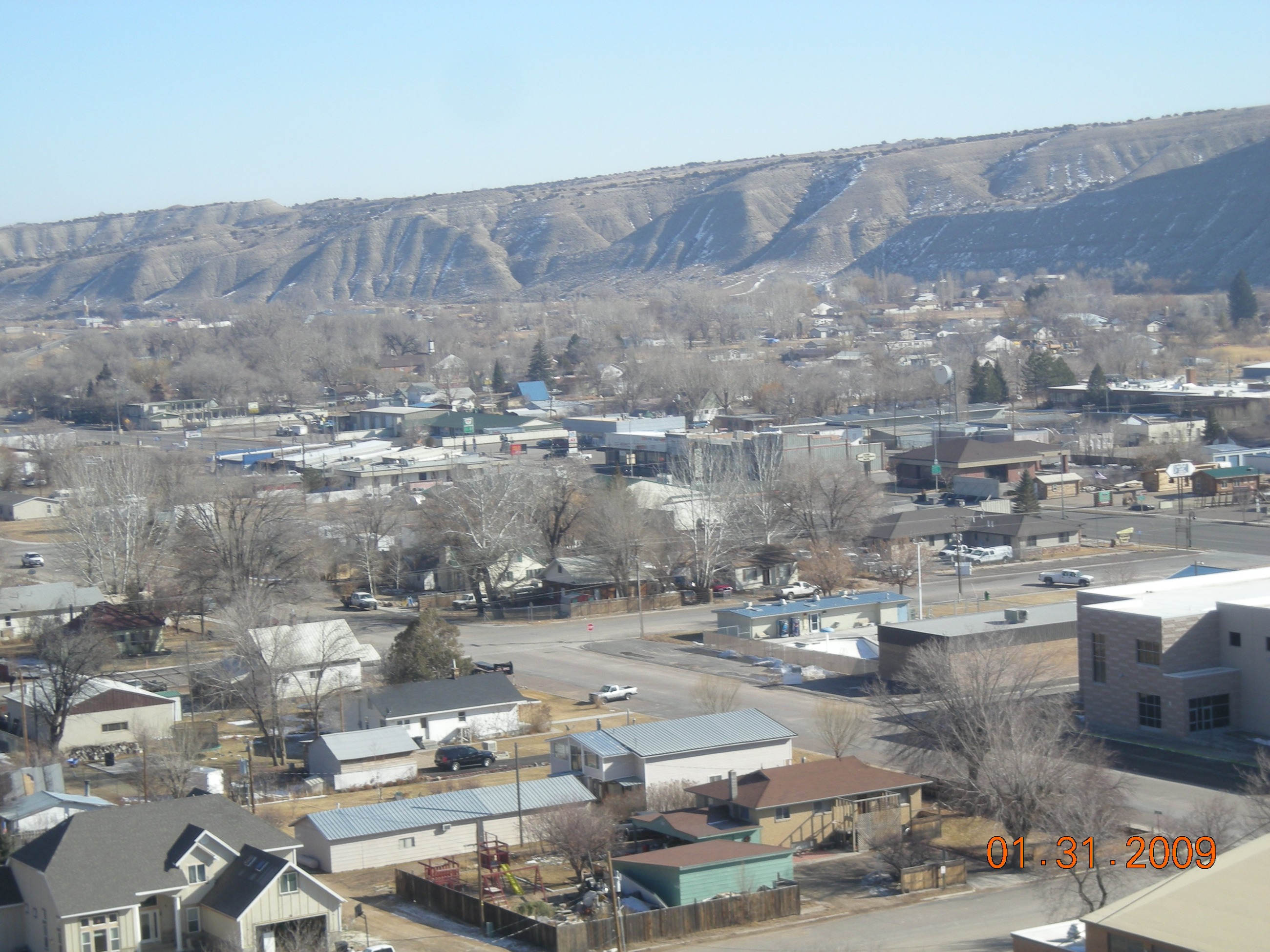
Regional Utah view: Duchesne, Utah.
Grand County is best known for Moab's red rock, but underneath the county lies the Cane Creek shale — one of the more distinctive plays in the Paradox Basin.
Grand County, Utah, with Moab as its county seat, sits over the northern reach of the Paradox Basin, a geologically complex fold-and-thrust system centered on cyclic deposits of salt, shale, and carbonate laid down when an ancient sea repeatedly flooded and evaporated. The Cane Creek shale, produced through horizontal drilling southwest of Moab, has drawn renewed operator interest over the last decade, and it sits alongside a long history of potash and, decades ago, conventional vertical oil production in the same basin.
If you hold a mineral or royalty interest anywhere in Grand County — tied to Cane Creek horizontal development, an older vertical well, or a fractional interest that has passed through your family for generations without much attention — we buy those interests directly, with an offer built from your actual production history rather than a guess based on the county's reputation.
The Cane Creek shale and why it drills differently
The Cane Creek interval is an organic-rich shale within the Paradox Basin's evaporite cycles, produced through horizontal wells with multi-stage fracturing — a modern completion style layered onto a basin that produced conventionally for decades before that. Because the play is structurally complex, with salt tectonics folding and faulting the reservoir in ways that vary section to section, well performance in Cane Creek can differ meaningfully even between adjacent units, which is part of why we look at the specific well or unit tied to your interest rather than quoting off a countywide average.
Owners whose acreage sits in the active Cane Creek fairway southwest of Moab have generally seen more consistent development interest than owners further from the core, and that shows up in how we price an interest — proximity to recent permits and offset drilling activity is one of the clearer signals we use.
Potash, salt tectonics, and the layered mineral history of the Paradox
Grand County's mineral story is not only oil and gas. The same evaporite cycles that make the Paradox Basin's geology so structurally complicated also deposited the potash beds mined southwest of Moab, and it is not unusual for a family's mineral estate here to carry old reservations or severances tied to potash, salt, or other solid minerals layered alongside the oil and gas rights. If your deed language is ambiguous about which minerals were conveyed versus reserved, we check that as part of our title work before making an offer, because it can affect what exactly you own and what a buyer can pay for it.
The basin's salt tectonics — where thick ancient salt has flowed and deformed the rock above it over millions of years — also explain why structure maps in this part of Utah look unlike the flatter, more predictable trends in the Uinta Basin to the north. That complexity is part of the reservoir engineering picture operators weigh before permitting a new well, and it is part of why offset activity near your specific tract matters more here than a broad county trend.
Split estate, tourism-adjacent ownership, and absentee owners
Moab's growth as a tourism destination has changed the surface economy dramatically, but it has had little effect on the underlying mineral estate, which in many cases was severed from the surface generations ago and is now owned by heirs scattered well outside Utah. We regularly work with Grand County mineral owners who have never visited the county, inherited an interest through a family member's estate, and are unsure what it is even called on paper, let alone what it might be worth.
We handle that starting point routinely: send us whatever paperwork you have, and we will pull the legal description, confirm the well or unit it ties to through Utah Division of Oil, Gas and Mining records, and check chain of title at the Grand County Recorder's office before we quote anything.
What a Grand County sale looks like
Once we confirm your legal description and production history, we send a written offer that shows our math — trailing royalty, remaining reserve estimate, and nearby permitting activity, if any. If you accept, we prepare the mineral deed, run Grand County title work, and close on a timeline that works for you, often within a few weeks for a clean file.
Cane Creek's complexity means we sometimes ask for a bit more documentation than a simpler play would require, but we will tell you exactly what we need and why. As with any mineral sale, talk to your CPA or attorney about how the proceeds are taxed and how a sale fits your broader estate or financial plan before you sign — that guidance should come from your own advisor, not from us.
Resolve the Record Question Before the Offer Is Compared
Does your interest have to be in the active Cane Creek fairway to have value?
Not necessarily, but proximity to recent horizontal development generally supports a stronger offer. We confirm exactly where your tract sits relative to current activity before quoting.
Your deed mentions potash as well as oil and gas — does that complicate things?
It adds a step to our title review since the Paradox Basin's evaporite geology means potash and oil-and-gas rights are sometimes reserved or conveyed separately, but we handle that confirmation as part of our standard process.
you inherited a Grand County interest and live out of state. Can we do this without you traveling to Utah?
Yes. The entire process, from document review to closing, can be handled remotely by mail and electronic signature.
Why do adjacent Cane Creek wells sometimes perform so differently?
The Paradox Basin's salt tectonics fold and fault the reservoir unevenly, so structure and productivity can vary meaningfully even between neighboring units. That is why we price against your specific well or unit.
How long does a typical Grand County closing take?
Clean, single-owner files often close within two to four weeks. Interests requiring extra title curative work, common with older Paradox Basin deeds, can take longer, and we will flag that upfront.
Carry the Same Tract Into the Next Review
Sell Mineral Rights in Moab, UT
Own mineral rights near Moab, Utah, in or around the Cane Creek shale? We buy Paradox Basin interests directly, priced against real production data.
Sell Mineral Rights in Monticello, UT
Own mineral rights recorded at the San Juan County courthouse in Monticello, Utah? We buy Paradox Basin interests directly, with title confirmed first.
Sell Mineral Rights in Blanding, UT
Hold mineral rights near Blanding, Utah, close to Bears Ears and the Paradox Basin? We buy interests directly, with a written offer and no pressure to sign.