Sell Mineral Rights in Carbon County, UT
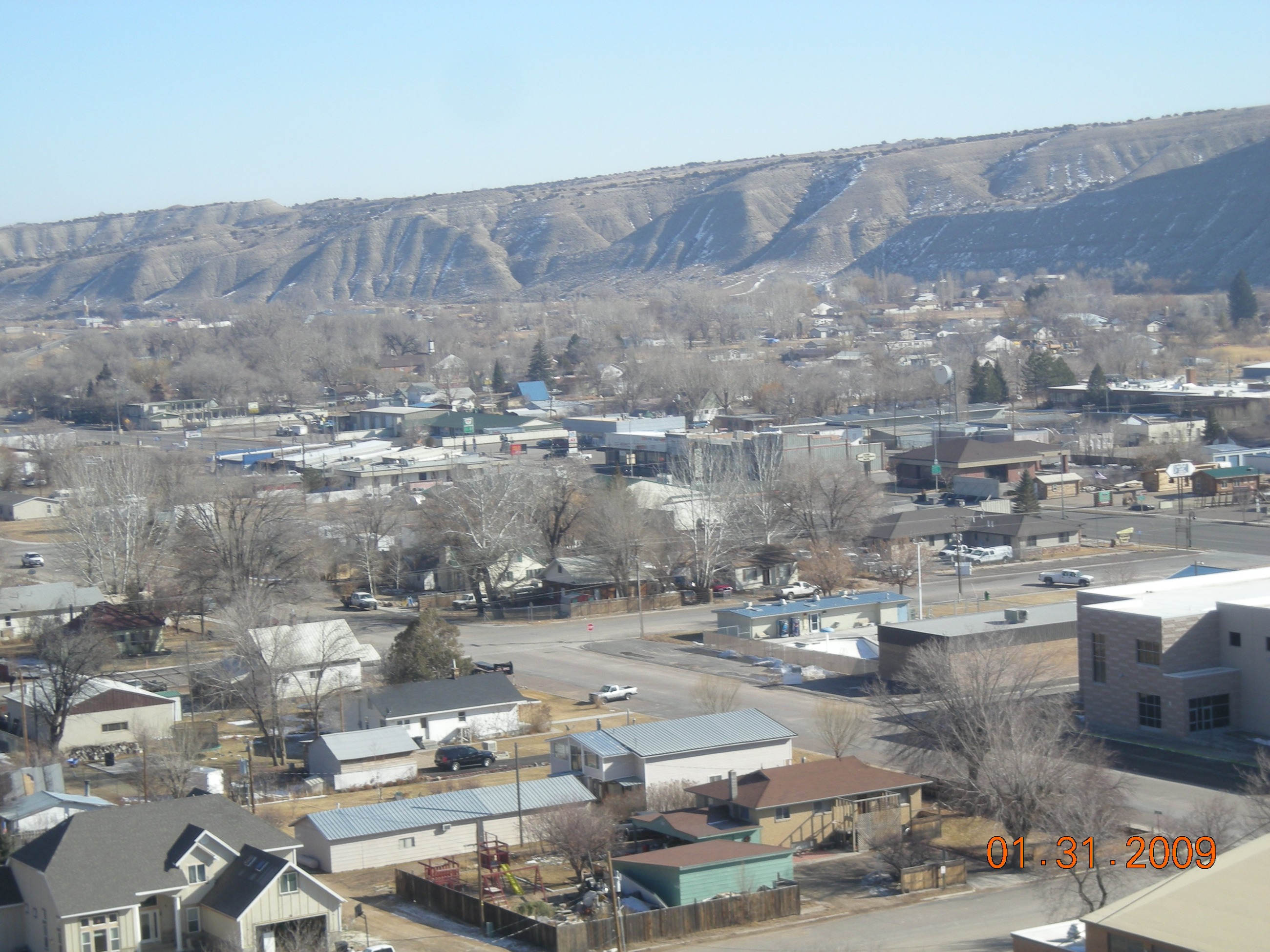
Regional Utah view: Duchesne, Utah.
Carbon County built its economy on coal a century before anyone drilled a coalbed-methane well here, and the mineral estate underneath Price and the surrounding towns reflects that layered history.
Carbon County, Utah, takes its name from the coal seams of the Book Cliffs and the Wasatch Plateau, and Price has been the county seat and rail hub for that industry since the late 1800s. What is less well known outside the family that owns it is that a lot of Carbon County acreage carries a split mineral estate — coal rights severed from oil and gas rights, both severed from the surface — and that coalbed methane production from the same coal seams that were once mined conventionally has added a second, and sometimes third, royalty stream to interests that had been dormant for decades.
We buy mineral, royalty, and non-participating royalty interests across Carbon County, whether the income is coming from an active CBM well, an old coal lease that pays a token royalty, or an oil and gas unit that has been quietly producing since before you inherited it. If you are holding a deed with a legal description you have never fully understood, or a royalty check that shows up sporadically and you want to know what the interest behind it is actually worth, we will walk through it with you before you decide anything.
Coal, coalbed methane, and why your deed may split the two
Older Carbon County deeds frequently reserved or conveyed coal separately from oil, gas, and other minerals — a common practice from the early twentieth century when coal was the only mineral anyone cared about. Decades later, when operators began producing methane from those same coal seams using modern degasification techniques, the question of whether a coal reservation also captured the associated gas became a real title issue in Utah and across the Rocky Mountain coal basins. If your family's deed language is ambiguous on this point, it can affect who is entitled to the CBM royalty, and it is exactly the kind of thing we check before we make an offer rather than after.
In practice, most Carbon County CBM production comes from the Wasatch Plateau coal fields west and south of Price, in and around the historic mining towns of Helper, Kenilworth, and Clear Creek. Wells here tend to produce a steady, low-decline stream of gas rather than a sharp initial spike, which is part of why CBM royalty checks in this county often look flatter month to month than a typical oil well's — that is normal for the play, not a sign something is wrong with your interest.
Historic coal camps and fractionated ownership
Towns like Kenilworth, Clear Creek, and Carbonville started as company coal camps, and mineral ownership around them frequently traces back to homestead patents and early-1900s coal company transactions that were later broken up through inheritance across multiple generations. It is common for us to find a Carbon County interest divided eight, ten, or more ways among cousins scattered across several states, none of whom individually holds enough of the interest to justify hiring a landman or attorney to sort it out — but collectively the interest is real and worth pursuing.
If that describes your situation, we can often make individual offers to each heir separately rather than requiring the family to agree and act as one unit first. That lets whoever wants to sell their share do so on their own timeline, without forcing a decision on relatives who would rather keep holding.
Oil and gas beyond coalbed methane
Carbon County also sees conventional oil and gas activity tied into the broader Uinta Basin trend along its northern edge, and some owners hold interests that predate the CBM boom entirely — old vertical wells drilled decades ago that still produce a modest amount from Green River or Mesaverde sands. These interests are usually easier to value because there is a longer production history to work from, and we weight our offer against the trailing royalty and the remaining reserve estimate on the specific well or unit, not a countywide average.
Whatever the source of your check — coal royalty, CBM, or conventional oil and gas — we price it against real data pulled from the Utah Division of Oil, Gas and Mining, not a guess. We will not promise you a top-dollar number sight unseen, and we will not pressure you to sign before you have had a chance to talk to your family or your own advisor.
How we handle a Carbon County transaction
We start with your legal description or division order, confirm the mineral versus coal severance language in the chain of title at the Carbon County Recorder's office, and match production against DOGM records for the relevant well or unit. From there we send a written offer that shows our math, and if you accept, we prepare the mineral deed and handle the recording. Multi-heir files take a bit longer because each owner needs to sign individually, but we manage that coordination rather than asking your family to do it.
Because coal-severance title issues can occasionally require extra curative work, we will flag upfront if your file needs that step before closing — it does not usually change the offer, but it can add time. Talk to your CPA about how proceeds from a coal or CBM mineral sale are taxed in your situation before you close; that is not something we can advise on.
Resolve the Record Question Before the Offer Is Compared
Your deed only mentions coal, not gas — do you still own the coalbed methane rights?
It depends on the exact language and the date of the conveyance. We review the reservation or conveyance language as part of our title check and will tell you plainly if there is ambiguity before we make an offer.
Why does your Carbon County royalty check stay so flat month to month?
Coalbed methane wells generally have a shallow, long decline curve compared to oil wells, so a steady check is typical for this play, not a red flag.
Your interest is split among six cousins and nobody agrees on selling. What are our options?
We can make separate offers to each owner for their individual share, so anyone who wants to sell can, without needing the whole family to agree first.
Do you buy old coal royalty interests that pay very little?
Sometimes, depending on the lease terms and whether there is associated gas production. We will give you an honest answer even if the number is modest.
How long does a Carbon County closing usually take?
Clean single-owner files often close in two to three weeks. Multi-heir or coal-severance title issues can extend that, and we will tell you upfront if yours is likely to.
Carry the Same Tract Into the Next Review
Sell Mineral Rights in Emery County, UT
Own coal, CBM, or oil and gas minerals under Emery County and the San Rafael Swell? Get a documented, no-pressure offer from an active Utah mineral buyer.
Sell Mineral Rights in Grand County, UT
Own minerals near Moab or the Cane Creek field in Grand County, Utah? We buy Paradox Basin oil, gas, and potash-adjacent royalty interests directly.
Sell Mineral Rights in Moab, UT
Own mineral rights near Moab, Utah, in or around the Cane Creek shale? We buy Paradox Basin interests directly, priced against real production data.