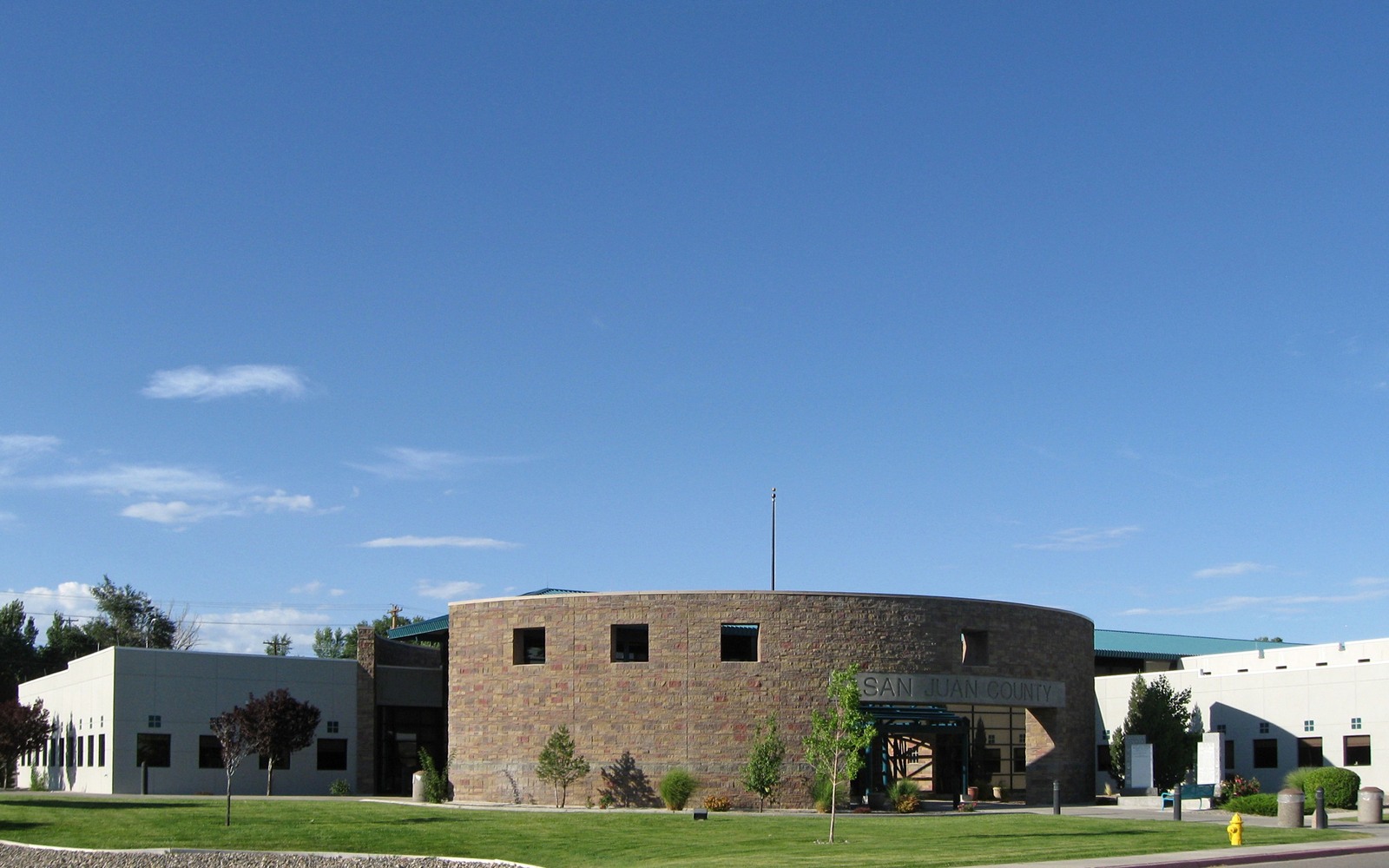
Sell Mineral Rights in San Juan County, UT
San Juan County is Utah's largest county by land area and one of its most fractured by ownership type: fee minerals, SITLA state trust sections, BLM split estate, and Navajo Nation trust land all sit within a few miles of each other in places.
The county seat is Monticello, and the recorder's office there holds the deeds and probate records for most of the fee mineral ownership across the county, from the red-rock canyons near Moab down through Blanding and toward the Arizona line. The Paradox Basin underlies most of it, a Pennsylvanian-age evaporite and carbonate basin known historically for the Cane Creek trend near Moab and, further south, the long-producing Aneth field and its satellites.
We treat San Juan County ownership as several genuinely different situations rather than one market. A Cane Creek-area interest near Moab, an Aneth-area interest near the Arizona border, and a SITLA-adjacent tract out on the mesa each carry a different production history and a different valuation approach, and we start every conversation by figuring out which one applies to you.
Owners scattered across a county this large also tend to hold their paperwork very differently, from a complete file of division orders going back decades to a single tax notice inherited without explanation. Either starting point works for us; we do the courthouse research either way.
Cane Creek and the Moab-area trend
The Cane Creek shale, a organic-rich interval within the Paradox formation, has drawn renewed horizontal drilling interest north and west of Moab over the past several years, a departure from the vertical wells that first tapped this trend decades ago. For fee mineral owners in this part of the county, that renewed activity has meaningfully changed the value conversation compared to five or ten years ago.
If your family holds acreage anywhere between the Colorado River corridor and the Book Cliffs, it's worth checking current permitting activity before assuming your interest's value is what it was a decade back, in either direction.
Aneth field and the southern county
Toward the Arizona border, the Mississippian Aneth field and its satellite units represent one of the older, more mature production histories in the state, dating to the 1950s. Much of the surrounding land is Navajo Nation trust or allotted land, so fee mineral ownership in this stretch tends to sit in smaller pockets outside the reservation boundary, often older ranching or homestead patents.
Mature fields like Aneth still see real activity through workovers, recompletions, and secondary recovery, and interests here can be valued against decades of decline curve data rather than speculation.
SITLA checkerboard and BLM split estate
San Juan County has an unusually dense mix of Utah trust land administered by SITLA, federal BLM acreage, and private fee sections, a legacy of the checkerboard land grant pattern set up at statehood and reinforced by railroad grants in the region. State and federal sections don't affect your private ownership directly, but they shape how spacing units and pooled wells are drawn, since an operator often has to negotiate separately with SITLA, the BLM, and private owners within the same unit.
We check the surrounding section pattern as part of every San Juan County valuation, because it tells us something about how quickly a unit could actually be developed even where your specific tract is fee land.
Uranium and vanadium legacy interests
Parts of San Juan County, particularly toward Blanding and White Mesa, carry a uranium and vanadium mining legacy going back to the mid-twentieth century Cold War boom, and some older mineral deeds in the county reference these substances specifically rather than oil and gas. We evaluate uranium, vanadium, and oil and gas interests separately, since they trade in genuinely different markets with different buyers.
If your deed language is unclear about which substances it covers, we research it against the recorded document before quoting a number. Uranium and vanadium royalty streams, where they still exist, generally trail well behind oil and gas royalty in monthly consistency, so we weigh that history carefully rather than treating every mineral interest in the county the same way.
Resolve the Record Question Before the Offer Is Compared
How do you find out if your San Juan County land is near Cane Creek or Aneth?
Send us your legal description and we'll place it against current field boundaries and permitting activity. The two areas have very different production profiles and valuation approaches.
Does a nearby SITLA or BLM section affect your private mineral ownership?
Not directly, your fee ownership stands on its own, but it can affect how spacing units are assembled and how quickly a well gets permitted on or near your acreage.
Your deed mentions uranium, not oil and gas. Do you buy that too?
We evaluate uranium and vanadium interests on their own terms since they're a different market than oil and gas royalty, and can discuss options once we've reviewed your specific deed language.
Is San Juan County oil and gas activity picking up or slowing down?
It varies by trend. The Cane Creek area near Moab has seen renewed horizontal permitting in recent years, while the Aneth area to the south remains a mature, steadier field managed mostly through workovers rather than new drilling.
Carry the Same Tract Into the Next Review
Sell Mineral Rights in Carbon County, UT
Own coal, coalbed methane, or oil and gas minerals in Carbon County, Utah? We buy Book Cliffs and Wasatch Plateau interests with a clear, hedged offer.
Sell Mineral Rights in Emery County, UT
Own coal, CBM, or oil and gas minerals under Emery County and the San Rafael Swell? Get a documented, no-pressure offer from an active Utah mineral buyer.
Sell Mineral Rights in Grand County, UT
Own minerals near Moab or the Cane Creek field in Grand County, Utah? We buy Paradox Basin oil, gas, and potash-adjacent royalty interests directly.